"You don't understand anything!" — and your child has already gone quiet?
Instead of an argument — a personal attack. The child might be right, but gets thrown off topic. And loses the conversation without even knowing why.
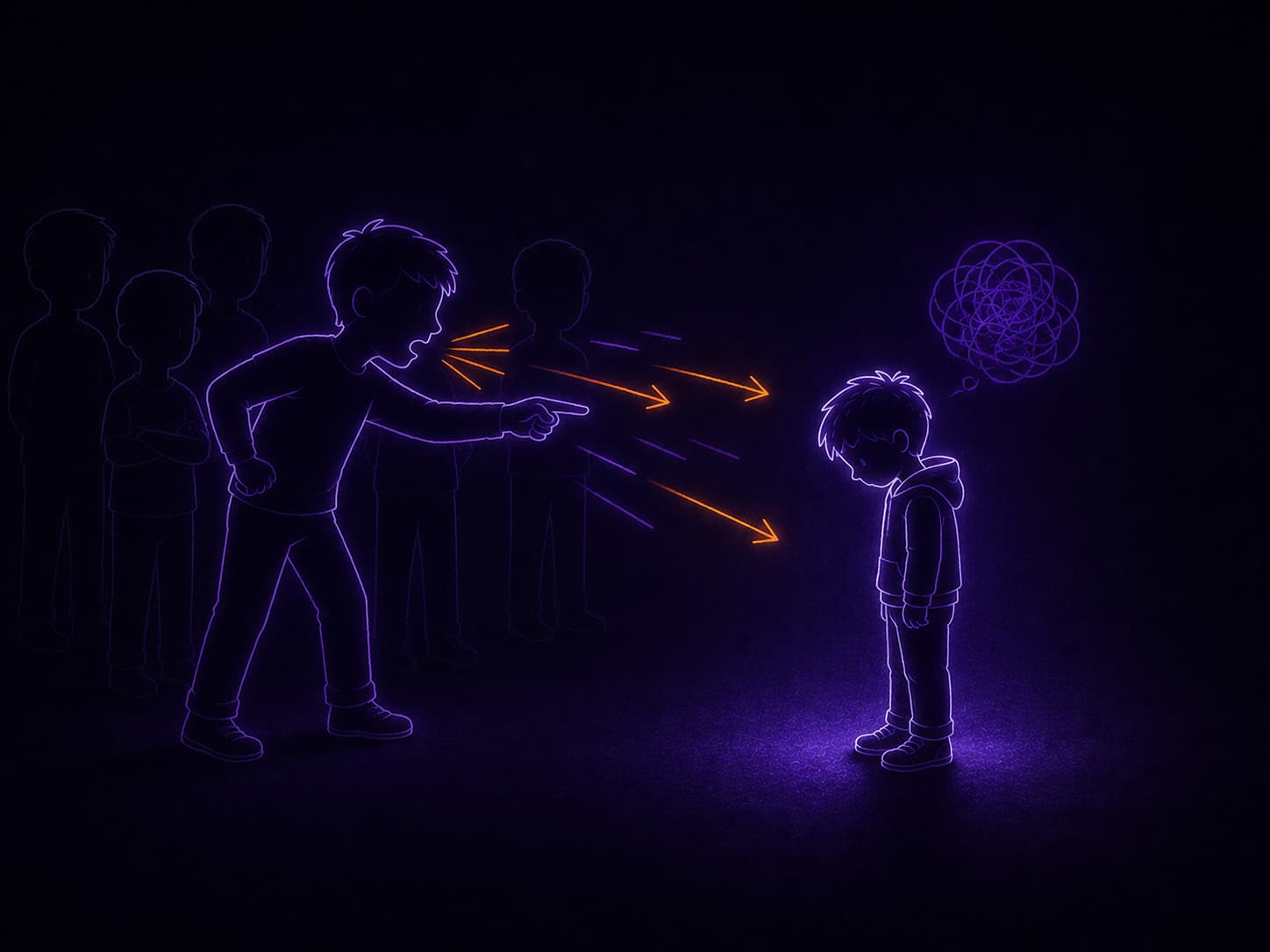
"You're too young" — that's not an answer, it's a hit
"You don't understand anything", "you're too young", "there's no point talking to you". At school, at home, among friends. The child might have a perfectly valid point — but after words like that, they either go quiet or start doubting themselves. And the conversation is lost.
This isn't a weak position or a lack of confidence. It's a natural reaction to being hit: when the attack is aimed at you rather than your idea, it's hard to stay on topic. Instead of engaging with what was said, the conversation shifts from "what you said" to "who you are". The child ends up defending themselves instead of their point.
The result — they lose the conversation even when they were right. "Maybe I really don't understand", "better say nothing" — and a valid point goes unspoken.
"Sila Slova" — a detective drama that teaches critical thinking
50 episodes, 13 critical thinking lessons. Your child plays — but is actually learning to protect themselves.
Recognises a personal attack instead of a real answer
Doesn't get drawn into the personal attack — steers back to the topic
Tells the difference between "who you are" and "what you said"
️ Holds their position even when they are the target of the attack
Give your child the superpower of critical thinking
Episode 1 · Morning Without a Sister
Mum says there was never a sister. The school doesn't remember Sofia. But Marco remembers her laugh — and the diary in his hands is real…
Social proof
- Children completed the course
- 2,400+
- Satisfied parents
- 94%
- Optimal age
- 10–16 yrs
"You don't understand anything" no longer makes him go quiet. He's learned to tell the difference between a personal attack and an argument — and stay on topic.
Questions about the course
Both at the same time. "Sila Slova" looks like a detective series, but every episode contains a hidden critical thinking lesson.
Ideal for 10–16 year olds. At this age, children are receptive to new thinking patterns and are still forming their views.
15–20 minutes per episode. Flexible schedule — your child can come back at any convenient time.
No. The demo episode is fully open — no registration, no subscription, no personal data required.
Try the demo — no registration required
Play demo