Is your child easier to scare than to convince?
"Do it or you'll be sorry." "You'll regret it." "Everyone will laugh." Fear hits instantly — and your child acts just to make the feeling go away, without ever checking whether it's even true.
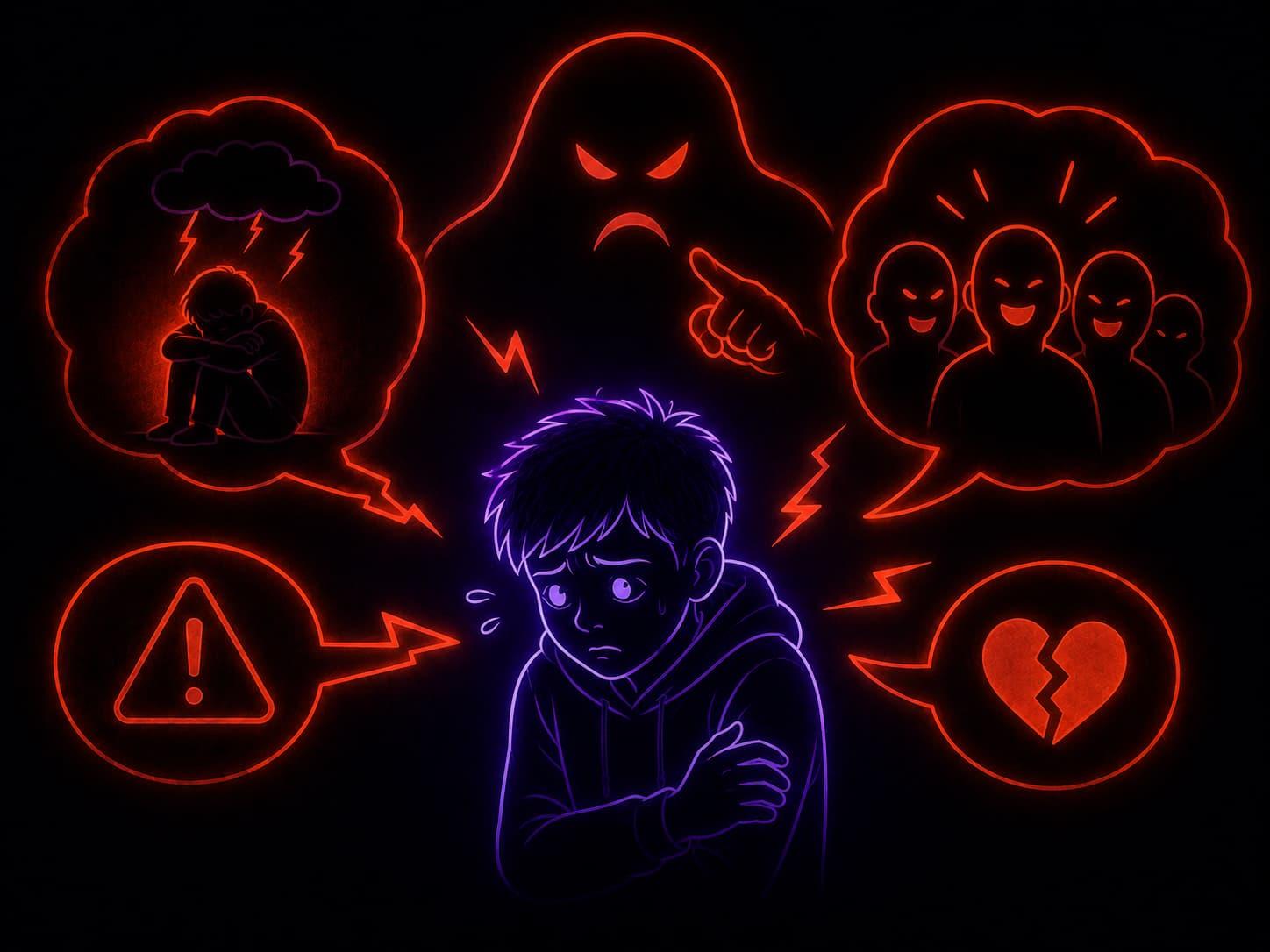
Fear isn't an argument — it's a way to switch off thinking
When a child is scared, they don't analyse — they act. The brain switches into "remove the threat" mode, and there's no room left for thinking. This isn't weakness or naivety — it's simply how we react to a strong emotion.
And people use it. Instead of facts, the child is handed a scary scenario: "it'll be bad", "you'll regret it", "you'll end up alone". There's no time to check how real it is. The child just wants the frightening feeling to stop — and does what's wanted of them.
The result — it's not the child making the decision, it's their fear. They agree, refuse, stay silent — not because they decided to, but to get rid of the anxiety faster. And it turns out not to be their choice at all.
"Sila Slova" — a detective drama that teaches critical thinking
50 episodes, 13 critical thinking lessons. Your child plays — but is actually learning to protect themselves.
Notices the moment someone tries to push them into acting through fear
Pauses and asks: "is this a real warning, or am I just being scared?"
Understands: being frightened doesn't mean it's true
️ Decides once the fear has passed — not under its pressure
Give your child the superpower of critical thinking
Episode 1 · Morning Without a Sister
Mum says there was never a sister. The school doesn't remember Sofia. But Marco remembers her laugh — and the diary in his hands is real…
Social proof
- Children completed the course
- 2,400+
- Satisfied parents
- 94%
- Optimal age
- 10–16 yrs
"You'll regret it" used to make my son give in instantly. Now he asks first: "But why exactly would it be bad?" — and sees for himself when he's just being scared.
Questions about the course
Both at the same time. "Sila Slova" looks like a detective series, but every episode contains a hidden critical thinking lesson.
Ideal for 10–16 year olds. At this age, children are receptive to new thinking patterns and are still forming their views.
15–20 minutes per episode. Flexible schedule — your child can come back at any convenient time.
No. The demo episode is fully open — no registration, no subscription, no personal data required.
Try the demo — no registration required
Play demo